
Virtual Try-On software for fashion brands: how to choose the right solution
published on
Online fashion shopping has reached a tipping point. Customers expect immersive, personalized experiences, while fashion brands are under pressure to reduce returns, improve conversion rates, and stand out in an increasingly competitive ecommerce landscape. In this context, virtual try-on software for fashion brands is no longer a “nice to have” innovation, it’s becoming a strategic necessity.
Traditional size guides and static product images are no longer enough. Shoppers want to see how garments fit, move, and look on bodies similar to their own. Virtual try-on technology promises to bridge the gap between physical and digital shopping, but choosing the right solution is far from trivial.
In this article, we’ll break down what virtual try-on really means for fashion ecommerce, explore the main technologies available, and outline the key criteria to evaluate when selecting the best virtual try-on software for your brand.
What is virtual try-on in fashion ecommerce?
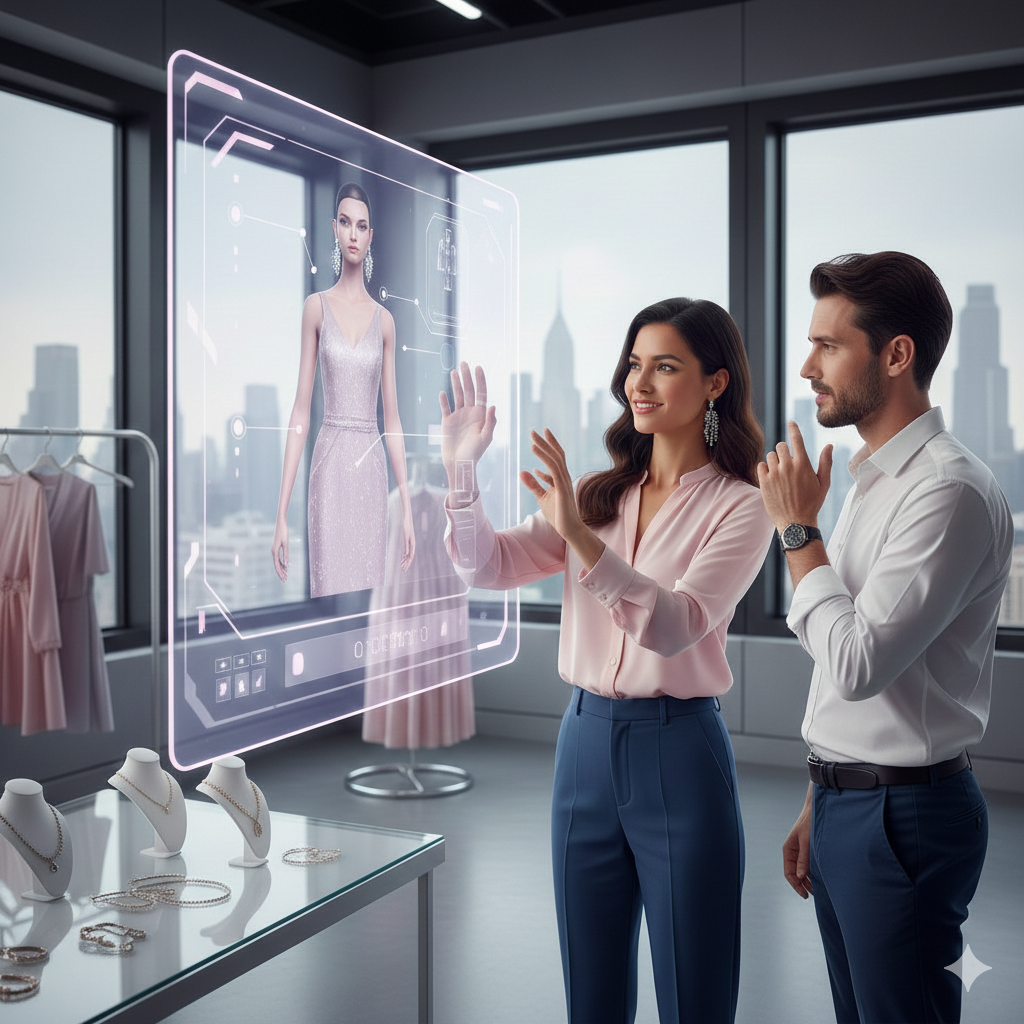
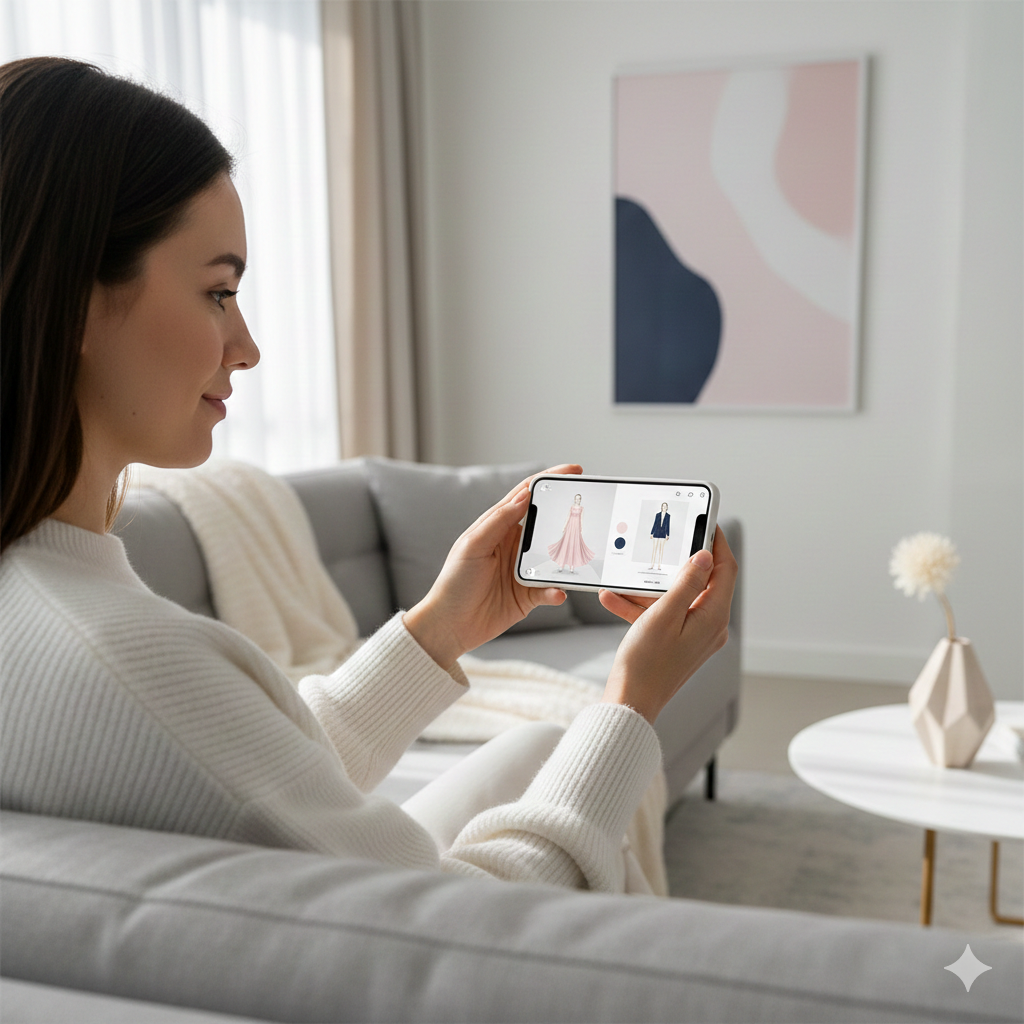
Virtual try-on (VTO) in fashion ecommerce refers to a set of technologies that allow customers to digitally “wear” garments before purchasing them online. Instead of relying solely on photos, videos, or generic size charts, shoppers can visualize fit, proportions, and style on a digital representation of themselves or on realistic avatars.
From a business perspective, virtual try-on for clothing ecommerce addresses three major pain points:
- Fit uncertainty, which is one of the leading causes of cart abandonment
- High return rates, often driven by size or expectation mismatch
- Low engagement, especially on product detail pages
Modern virtual try-on solutions go beyond simple overlays. They increasingly integrate body data, garment physics, and 3D modeling to offer a more accurate and interactive experience, often referred to as 3D try-on for fashion.
Types of virtual try-on technologies
Not all virtual try-on tools work the same way. Understanding the main technological approaches is essential when comparing solutions and choosing the right tool for your brand.
Avatar-based virtual try-on
Avatar-based systems allow users to create a digital avatar that represents their body shape and measurements. This avatar can then be used to try on garments virtually across different products and collections.
Key characteristics:
- Users input body measurements or use scanning tools
- Garments are visualized on a personalized digital model
- Often supports virtual avatar try-on fashion experiences across multiple sessions
Pros:
- Higher personalization compared to generic models
- Reusable avatar improves long-term user engagement
- Suitable for brands with a strong focus on fit accuracy
Cons:
- Requires user effort during onboarding
- Accuracy depends on quality of body data
- May feel complex for first-time shoppers
3D garment simulation
3D garment simulation focuses on realistically reproducing how a piece of clothing behaves on a body. Garments are digitized in 3D and simulated using fabric physics to show drape, stretch, and movement.
Key characteristics:
- Uses 3D garment files and material data
- Often combined with avatars or standard models
- Strong emphasis on realism and visualization quality
Pros:
- High level of realism
- Excellent for premium and made-to-measure brands
- Supports advanced use cases like customization and configurators
Cons:
- Requires 3D assets and technical expertise
- Higher implementation complexity
Platforms like Tailoor integrate virtual try-on with advanced 3D capabilities, connecting fit visualization with product configuration and personalization. You can explore this approach in more detail on the Virtual Try-On solution by Tailoor.
Key criteria to evaluate virtual try-on tools
Choosing a virtual try-on solution should be a strategic decision, not just a technology experiment. Below are the most important criteria to consider when evaluating different virtual fitting room alternatives.
Accuracy & realism
Accuracy is the foundation of trust. If the virtual try-on experience does not match reality, it can backfire, leading to disappointed customers and increased returns.
When evaluating virtual try-on accuracy, consider:
- How body measurements are captured or estimated
- Whether garment behavior reflects real fabric properties
- How sizing variations are handled across different fits
The best virtual try-on software balances visual realism with reliable fit indications, rather than focusing only on aesthetics.
Device compatibility
A powerful virtual try-on experience is useless if customers can’t access it easily. Device compatibility in virtual try-on is a critical factor, especially in mobile-first ecommerce environments.
Key questions to ask:
- Does it work seamlessly on mobile, tablet, and desktop?
- Is it browser-based or does it require an app?
- How does performance scale across devices and operating systems?
High-performing solutions are optimized for web usage and do not rely on heavy downloads or complex setup.
Integration with ecommerce
Virtual try-on should enhance, not disrupt, your existing ecommerce stack. Smooth integration is essential for scalability and ROI.
Evaluate:
- Compatibility with your ecommerce platform (Shopify, Magento, custom setups)
- Integration with product catalogs, sizing data, and variants
- Support for personalization, configuration, or made-to-order flows
Advanced brands often combine virtual try-on with 3D product customization. Tailoor’s 3D Product Configurator for Fashion
is an example of how virtual try-on can become part of a broader digital product experience.
Data & privacy considerations
Virtual try-on solutions often process sensitive user data, including body measurements and visual inputs. Compliance and transparency are non-negotiable.
Make sure your provider:
- Is GDPR-compliant and transparent about data usage
- Clearly communicates how user data is stored and processed
- Allows brands to retain control over customer data
Privacy concerns can directly affect adoption rates, especially in European markets.
How virtual try-on impacts conversion and returns
When implemented correctly, virtual try-on delivers measurable business impact.
Increased conversion rates
By reducing uncertainty and increasing confidence, virtual try-on helps users move from browsing to purchasing. Shoppers spend more time on product pages, engage more deeply with products, and feel reassured about their choices.
This is particularly relevant for:
- Premium garments
- Tailored or semi-custom products
- First-time buyers unfamiliar with a brand’s fit
Reduced return rates
One of the strongest value propositions of virtual try-on is its ability to reduce returns with virtual try-on experiences that set realistic expectations.
By improving fit understanding and visual accuracy:
- Size-related returns decrease
- “Not as expected” claims are reduced
- Operational costs linked to logistics and restocking go down
For fashion brands, this has a direct impact on profitability and sustainability.
Common mistakes fashion brands make
Despite the potential, many brands fail to get real value from virtual try-on due to avoidable mistakes.
1. Treating virtual try-on as a gimmick
Implementing VTO just for marketing buzz without aligning it to business goals often leads to poor adoption.
2. Ignoring accuracy in favor of visuals
Overly polished but inaccurate experiences damage trust instead of building it.
3. Poor UX and onboarding
If customers don’t understand how to use the tool within seconds, they won’t use it at all.
4. Lack of performance tracking
Brands often fail to measure the real impact on conversion, returns, and engagement.
Choosing the right solution, and partner, helps avoid these pitfalls when choosing a virtual try-on tool.
Conclusion: choosing the right virtual try-on solution
Virtual try-on software for fashion brands is not a one-size-fits-all solution. The right choice depends on your brand positioning, product complexity, target audience, and ecommerce maturity.
The best virtual try-on software:
- Delivers accurate and realistic fit visualization
- Works seamlessly across devices
- Integrates smoothly with your ecommerce ecosystem
- Respects user data and privacy
- Supports measurable business outcomes
If you’re evaluating virtual try-on as part of a broader digital transformation, whether to improve conversion, reduce returns, or enable personalization, it’s crucial to adopt a solution that can scale with your brand.
Ready to explore how virtual try-on can work for your fashion business?
Book a call with Tailoor and discover how advanced 3D and virtual try-on technologies can elevate your ecommerce experience.