
AI-3D Configuration for Premium Accessories
In a market where value perception relies on material rendering—where 90% of the perceived value in accessories stems from material quality—Tailoor offers an immersive, scalable experience superior to standardized solutions. Digital representation quality affects not just aesthetics, but price perception and brand positioning. In a category where average order value is high and customers scrutinize every detail, visual fidelity becomes a direct driver of conversion and margins.
This is crucial for the accessories sector, where product value is born from the ability to flawlessly represent materials, textures, and details. Today, leather must reveal its grain, metalware must show galvanic depth, and stitching must convey the sartorial precision that distinguishes a premium piece from a standard object. A category, therefore, where the end user judges before touching and where perceived quality depends almost entirely on visual output.
In this context, Tailoor introduces a new level of AI Product & Visual 3D Configuration for premium accessories like bags, belts, SLGs, eyewear, hats and more. We are talking about a tool capable of configuring materials, finishes, hardware, and textures—all with photorealistic quality designed to enhance high-margin products and manage complex SKUs.
1. Why Personalization is the New Standard in Premium Accessories
The accessories category lives by a unique dynamic. We don’t just choose an object; we choose a material. What kind of leather is it? How does a buckle look? The way a stitch crosses a surface, for instance, helps determine the perception to which we associate a price, a quality level, and stylistic coherence. For this reason, customization is no longer a “premium” service, but a consolidated market expectation. Over 80% of users state that material realism is the deciding factor in purchasing premium accessories.
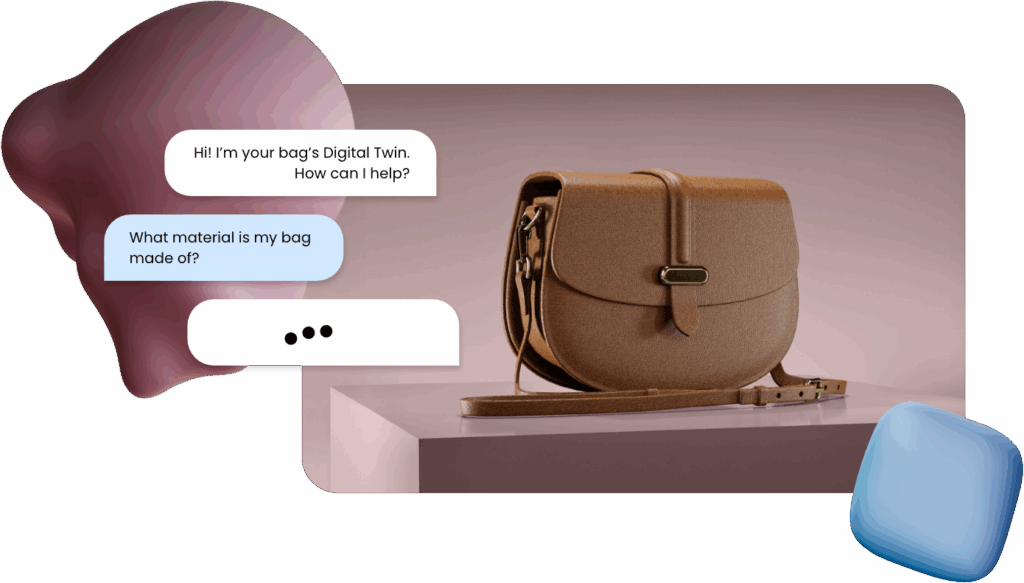
It’s the aforementioned desire to participate in the creative process: seeing the product transform before one’s eyes, exploring all possibilities and the way materials dialogue. Tailoor’s AI-powered configurator meets this dual demand with greater freedom for the user and increased control and scalability for the brand.
Every configuration generates structured data on real user preferences—from the most selected material combinations to frequently requested finishes and recurring patterns. This information becomes operational insights for product and merchandising teams.
Tailoor’s AI-powered 3D Configurator allows brands to:
> Show materials and finishes with photographic quality
> Manage complex variants without creating endless physical samples.
> Offer a premium experience consistent with brand identity
> Turn detail selection into an immersive, high-value journey
User interaction generates structured insights that can be transformed into assortment, product development, and pricing decisions. Tailoor is not just a customization tool; it is a platform designed to bring made-to-order logic and premium configuration to the heart of contemporary accessories.
2. Why it is Relevant for the Accessories Sector
Accessories represent a category where perception can weigh more than the product itself. Realistic configuration is not merely aesthetic but a boost for conversion and differentiation. According to industry insights, such as the Etsy Consumer Research Report:
75% of consumers state that product image quality is the most important factor in online purchasing.
In the accessories sector, conveying quality before purchase is central yet often critical. When a customer evaluates a bag, belt, or SLG, they cannot rely on fit; they must focus on micro-design details, materials, and finishes.
This is where accurate 3D rendering becomes decisive, bridging the sensory gap between digital and physical. Advanced rendering not only improves visual quality but reduces returns linked to mismatched expectations and stabilizes the conversion funnel for high-ticket items.
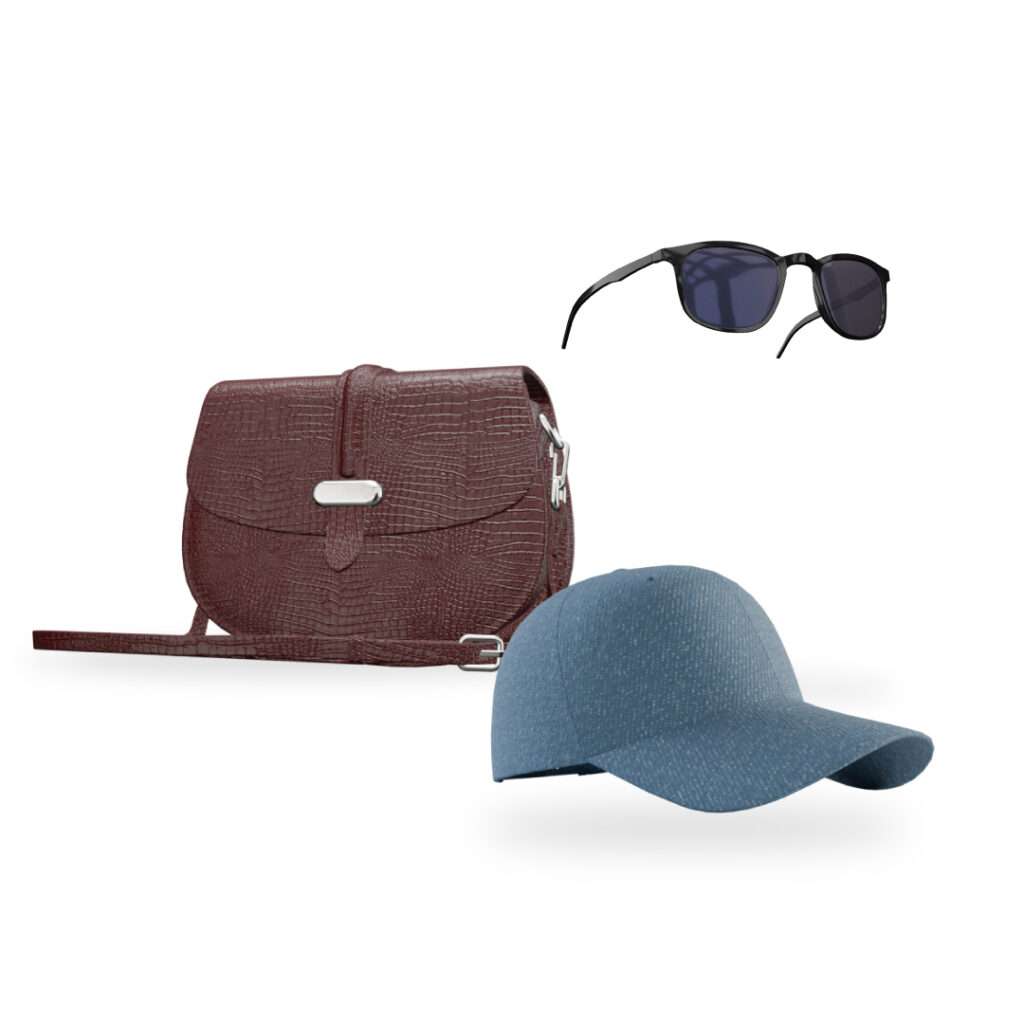
Among the critical elements brands must manage:
> Leathers differing in color, grain, and thickness
> Metallic finishes, galvanics, and hardware
> Contrast stitching, embossing, and engraving
> High-complexity SKU variants
Generalist configurators fail to realistically render texture, micro-details, and technical coherence. Tailoor solves this limit with a materials-first approach combining:
> Visual fidelity of materials
> Intelligent product rules
> Enterprise scalability
This transforms accessory complexity into an intuitive, immediate experience.
3. How AI Configuration Optimizes the Accessories Value Chain
AI-driven configuration doesn’t just improve user experience; it optimizes the entire design, sales, and production process. Simulation drastically reduces samples and prototypes, accelerates capsule development, and speeds up time-to-market. This translates into lower indirect costs related to physical production and faster iteration between creative and production teams. Simultaneously, user choices become concrete insights guiding assortments, production priorities, and pricing strategies, turning 3D configuration into an operational lever for designers, marketers, and eCommerce teams.
The impact of AI Configuration extends to the supply chain. The platform prevents non-producible combinations, reduces order errors, and enables made-to-order models that minimize waste and stock. Tailoor also allows for the management of complex SKUs with scalable logic, making the entire premium accessory chain more efficient. It is not just an immersive front-end, but a technological engine connecting design, sales, and production through a single intelligent architecture.
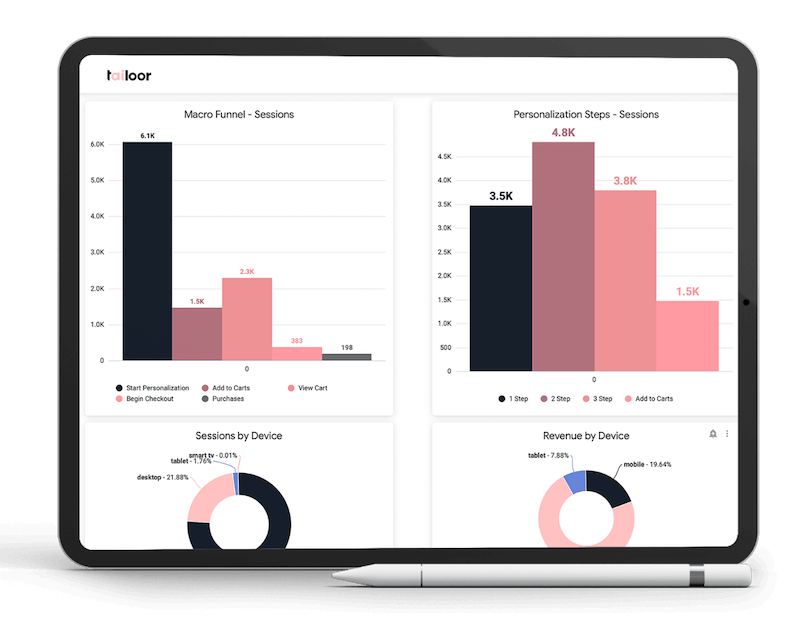
5 Measurable Benefits:
1) Optimization: Reduction of physical samples and prototypes
2) Increased Conversion: Conversion rate growth of +30/40%.
3) Waste Reduction: Dicrease in order errors and material mismatches
4) Data-Driven Insights: faster collection development process
5) Enterprise Scalability: Increase in scalability dor complex variants and SKUs
4. Tailoor’s Technological Architecture for Accessories
Accessories require a digital representation capable of returning complex materials and millimeter details with absolute precision. Tailoor combines an AI Configurator that interprets product rules with photorealistic rendering showing textures, stitching, and metalware with professional quality. It is an enterprise ecosystem integrable with ERP, PLM, and DAM.
This ensures data consistency across the chain—from online configuration to production and logistics—avoiding duplication and information misalignment.
Each configuration stems from an intelligent model ensuring producible variants, while AI-driven personalization and macro-rendering allow for deep material exploration. The result is a single platform connecting creativity, sales, and supply chain, turning premium accessory complexity into a concrete competitive advantage.
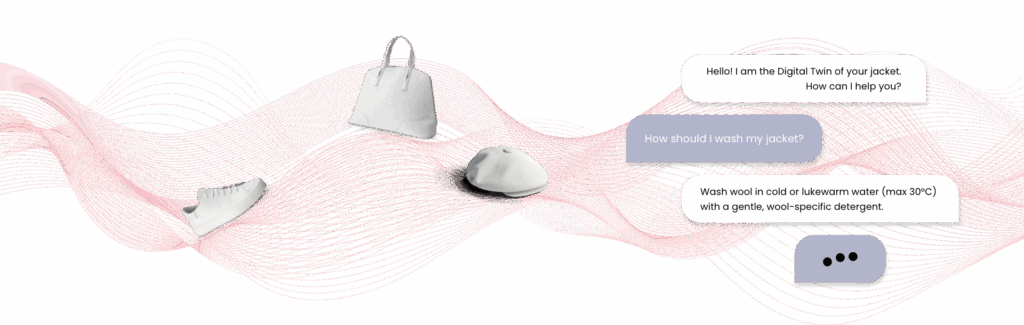
Tailoor’s 3D product Configurator Core Capabilities
The 3D configurator allows for the creation and visualization of products in every possible variant with high-end photorealistic quality.
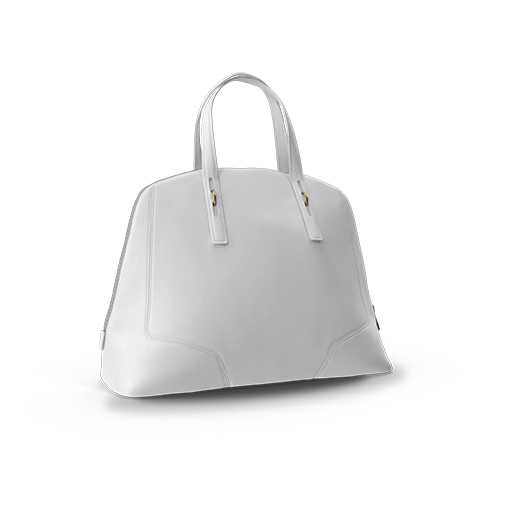
1. AI-driven Customization: Colors, Materials, Finishes, Stitching, Engraving
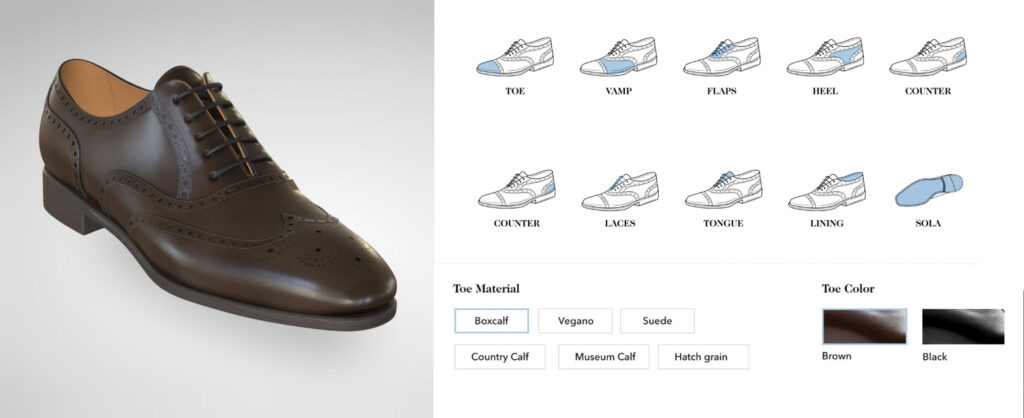
Users can personalize every element of the product (fabrics, leathers, colors, patterns, buttons, zippers, and details).
The platform leverages AI to:
- a) Display only producible combinations.
- b) Prevent errors (e.g., incompatible material pairings).
- c) Suggest coherent variants and styles.
- d) Accelerate the overall configuration process.
2. Real-time Photorealistic Rendering
Every modification made by the user is instantly visualized through:
> Realistic textures and fabric grains.
> Dynamic lighting environments
> High-fidelity material details
> Visual quality comparable to professional photography
3. Multi-products or Modular Configuration
The system provides the flexibility to:
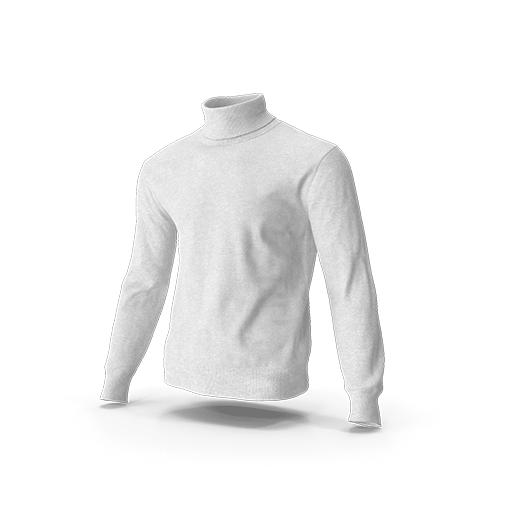
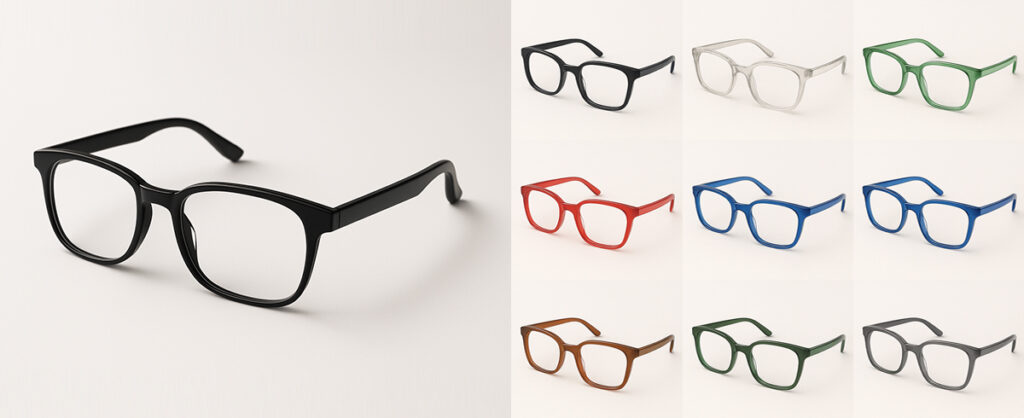
> Configure multiple items simultaneously (e.g., multi-components bags, belts, eyewear etc..).
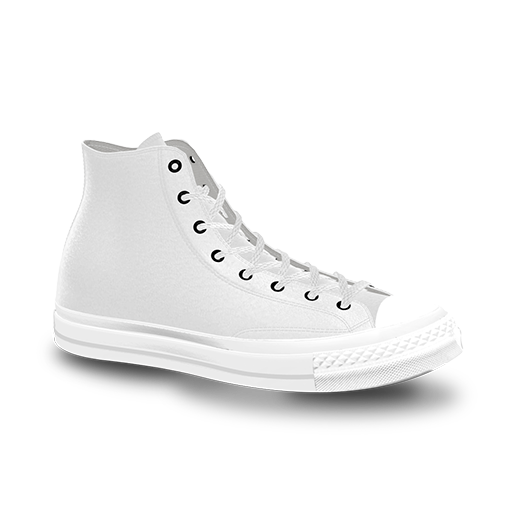
- > Configure modular products (e.g., a shoe featuring customizable soles, uppers, and laces).
- > Manage collections with shared rules across different versions or variants.
4. ERP, PLM, and Production-Ready Output
Once the product is configured, the system automatically generates:
- > Technical specifications and tech packs.
- > Production data.
- > SKU/Variant codes.
- > Supply chain information
- > Assets formatted for ERP or PLM integration.
This ensures the product can be sent directly to production with zero manual intervention.
5. How Brands Use Tailoor 3D Configurator in Accessories
The Tailoor ecosystem turns personalization into a growth enabler. Innovation is the central theme, thanks to uniquely tailored experiences.
Brands can use 3D configuration to develop data-driven capsule collections, personalize bags and belts, or offer highly detailed eyewear. The technology also suits B2B2C omnichannel models where a customer starts customization online and completes it in-store with an advisor. This improves conversions and service consistency.
Data-Driven Capsule Collections
Using real-time preference data to develop targeted capsules based on the most requested materials or silhouettes.
Premium Customization for High-Value Products
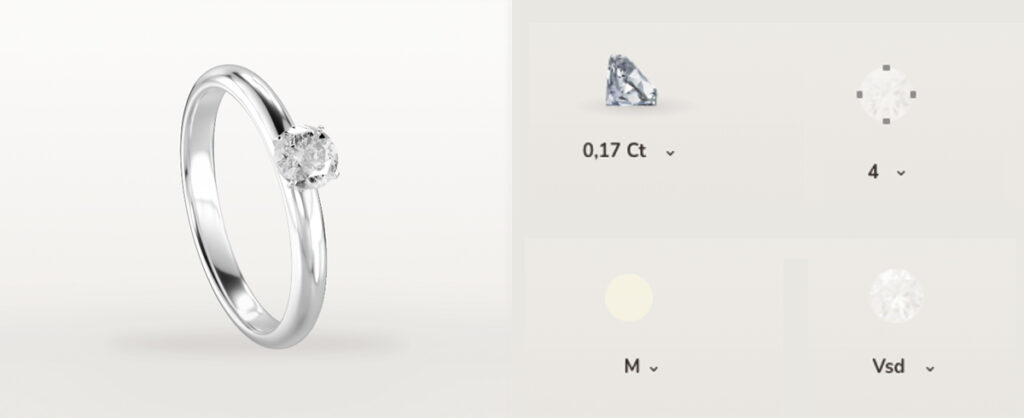
Luxury brands and ateliers can present complex variants with photorealistic rendering that reinforces value perception.
Omnichannel Retail (B2B2C)
A shared touchpoint where a customer starts a design at home and completes it with an in-store advisor.
6. KPIs and Performance Driven by 3D Product Configuration
3D and AI technologies significantly increase trust and propensity to buy premium products. Visual quality drives purchase decisions. Studies show that realistic 3D content improves purchase confidence by 74%.
This trust translates into measurable performance across the funnel, impacting conversion, return reduction, and overall satisfaction. Increased confidence directly affects financial metrics, from higher Average Order Value (AOV) to conversion stability for high-price products.
In premium contexts, where the economic investment is higher, digital quality reduces uncertainty and shortens decision time. According to a Shopify report, products with 3D or AR content see conversion rates up to +94% higher than those without immersive visualization.
● “74% of users prefer to purchase after viewing a product in 3D.”
The quality of the rendering directly impacts perceived security and the overall probability of purchase.
● “Customization increases purchase intent by up to 40%.”
Dynamic and engaging configurations make the user feel like an active participant in the creative process.
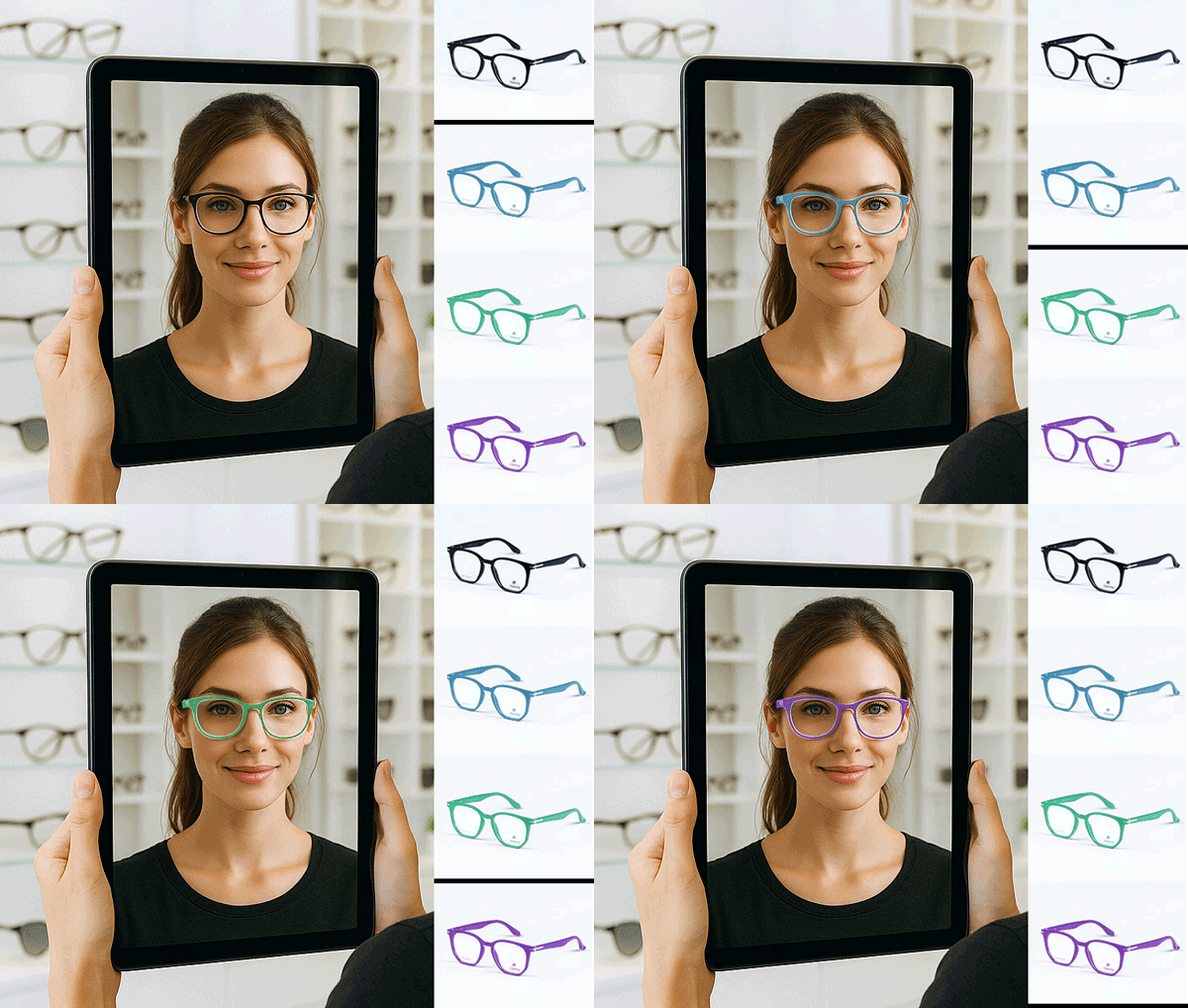
● “VTO (Virtual Try-On) reduces fit-related returns by 22–25%.”
An accurate simulation of the product on the body eliminates one of the primary drivers of returns.
7. Why Choose Tailoor AI Visual Configuration Platform
In the 3D configurator market, few solutions truly value premium materials and micro-details. Tailoor fills this gap with an AI-first approach designed for articulated SKUs and unique photographic quality.
The platform elevates the customer experience while improving brand operational efficiency.
According to the McKinsey State of Fashion Report, visual product quality is a top-three factor influencing premium accessory purchases—and this is exactly where Tailoor builds its competitive edge.
Competitive Advantages:
- 1) Photorealistic macro-rendering of materials
- 2) AI Configurator with complex rules and production constraints
- 3) Enterprise scalability for articulated variants and SKUs
- 4) Ideal B2B + B2B2C experience for omnichannel models
- 5) Optimal support for bags, belts, SLGs, and eyewear
Tailoor is not an alternative to existing configurators; it is the natural evolution for a sector where the material is the heart of the product.