
AI-3D Configuration for Sporting Goods
In the Sporting Goods sector, more than in others, customization is strongly linked to identity. On a garment, the selected colors, numbers, logos, and patterns represent belonging, team culture, and a sense of community; they are not mere graphic or decorative elements. From official jerseys to technical footwear, from balls to performance accessories, every detail contributes to brand perception and product value.
The Salesforce State of the Connected Customer reports that 73% of consumers expect companies to understand their unique needs and expectations. In the Sporting Goods sector, where identity and belonging drive choice, this expectation translates into a demand for clear, customizable configurations that are consistent with the brand.
In a market where a personalized experience has become an expectation rather than a simple option, the ability to actively intervene on the product directly impacts the final purchase decision. Inserting one’s name on a jersey, choosing a number that represents a moment or a symbolic player, and configuring colors and details means transforming a product into an extension of one’s own belonging.
According to the PwC Global Consumer Insights Pulse Survey, consumers attribute increasing value to personalized experiences and are willing to share their data in exchange for more relevant interactions consistent with their preferences. 55% of consumers use search engines as their primary source of pre-purchase information, and 56% almost always rely on mobile devices to gather information before buying.
Tailoor’s 3D Configurator introduces an advanced level of AI Product Configuration designed for clubs, academies, retailers, and sports brands that must manage high volumes and complex customizations, but above all to offer the user clear and immediate control over their choices. The photorealistic preview reduces uncertainty, increases trust, and strengthens anticipated satisfaction with the final result. It is not just about visualizing a product: it is about allowing the user to build, understand, and validate it before purchase.
1. From fan economy to customization at scale: a changing market
Sports merchandising is no longer an accessory component of revenue; over time, the increasingly close dialogue with the fandom has become a strategic lever for structural growth. According to the Deloitte Football Money League, commercial revenues—which include sponsorships, retail, and licensing—represent one of the main sources of income for top European clubs, with a weight that in several cases exceeds 40% of the total. This data highlights how the ability of clubs and brands to monetize the fanbase through direct and digital channels has become central to the economic model of football, and modern sport in general.
At the same time, the sports apparel market continues to grow globally. According to Allied Market Research, the Sports Apparel segment is in a phase of constant expansion in the coming years, driven by customization, direct-to-consumer, and digital engagement. The fan economy has now evolved. The purchase is no longer just transactional, but relational and identity-based. Fans look for exclusive products, limited versions, and capsules linked to iconic moments of the season or specific celebrations.
In this context, customization becomes a concrete lever for profitability. Customized products generally record a higher average value compared to standard versions and lower price sensitivity, thanks to the emotional component that strengthens the sense of belonging. The fan no longer just buys a jersey, but their own jersey.
A 3D configurator therefore allows to:
> Transform merchandising into an interactive and participatory experience
> Increase the perceived value of the product through realistic previews
> Activate upselling dynamics on names, numbers, commemorative badges, and special versions
> Reduce the risk of overstock thanks to on-demand models
> Connect team identity and digital revenue in a measurable way
2. AI Grounded Architecture: retrieval and validation for brand consistency
Traditional configurators allow graphic changes, but often do not integrate a structured system for retrieving and validating official information. This exposes the brand to branding errors, unauthorized combinations, and production inconsistencies.
An AI grounded architecture operates differently, making every configuration the result of a retrieval and ranking process that queries a certified knowledge base, retrieves the correct information, and applies only options compatible with identity, regulations, and technical constraints.
In the Sporting Goods context, this means transforming customization into a controlled and scalable process. The system does not generate freely but selects and validates in real-time, ensuring graphic consistency, compliance with club guidelines, and industrial producibility even on high volumes.
Specifically, the architecture allows to:
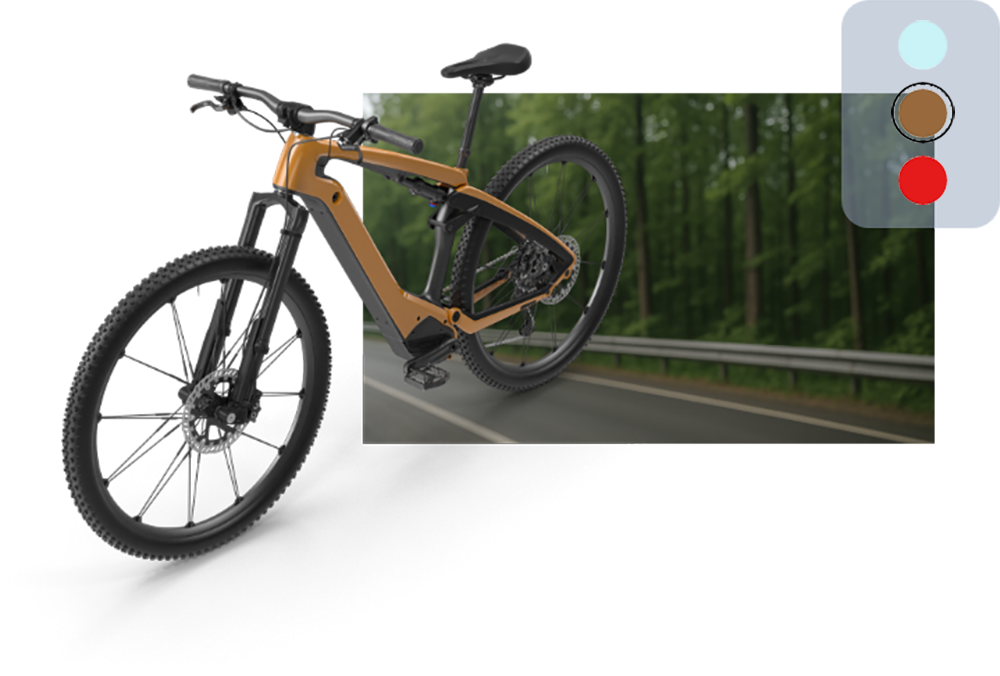
> Retrieve official fonts and certified color palettes
> Validate the positioning of logos, sponsors, and patches
> Prevent unauthorized combinations
> Integrate printing and production constraints in real-time
In high-intensity sales environments, this difference becomes strategic.
3. User experience and conversion: from engagement to performance
Photorealistic 3D visualization is not just a minor aesthetic upgrade; it serves to reduce uncertainty and accelerate the purchase decision, especially when the product is customized and the user wants to see an exact reproduction of what they are buying. Industry research highlights that the integration of 3D content and augmented reality can generate conversion increases of up to +94% compared to traditional static content. This data confirms how much immersive visualization can impact trust, reducing user uncertainty and increasing their propensity to purchase.
In sports merchandising, where the purchase is often impulsive and linked to a specific event, the realistic preview acts on two psychological levers: control (I see the final result) and reassurance (reduction of the risk of error on name/number/logos). This is crucial in a context where cart abandonment remains very high: Baymard estimates that approximately 70% of users abandon the cart on average, often due to doubts or friction in the checkout path.
The configurative experience allows to:
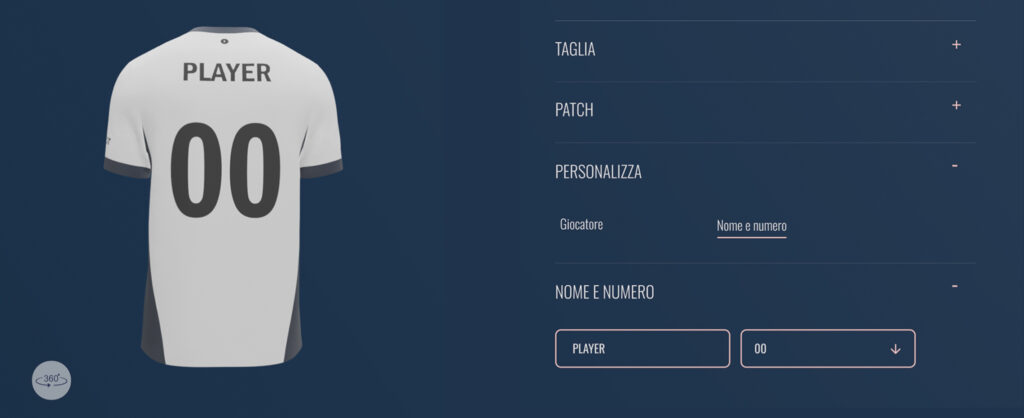
> Immediately visualize the chosen name and number
> Check proportions and readability (even from mobile)
> Simulate technical materials and performance textures
> Confirm the choice with greater awareness
The result is a more stable funnel.
4. The operational impact of 3D Configuration, from preview to production
What has been seen so far shows how in the Sporting Goods sector, error has a high cost. An incorrect print, a wrong number, or non-compliant positioning generates reworks, delays, and unforeseen logistical costs. When volumes increase—for example, in the case of a launch for the new season or during a special event—even a minimum percentage of error can translate into significant impacts on time and margins.
A 3D configurator with AI validation introduces a level of preventive control that drastically reduces these criticalities, transforming customization from a potential operational risk into a governed and scalable process.
The 3D configurator with AI validation allows to:
> Eliminate manual mockups
> Reduce interpretation errors between customer and production
> Generate technical output ready for printing or embroidery
> Automate pre-production flows
> Integrate ERP systems and the supply chain
This reduces time-to-production, increases the efficiency of internal flows, and improves overall operational margins.
Tailoor’s 3D product Configurator Core Capabilities
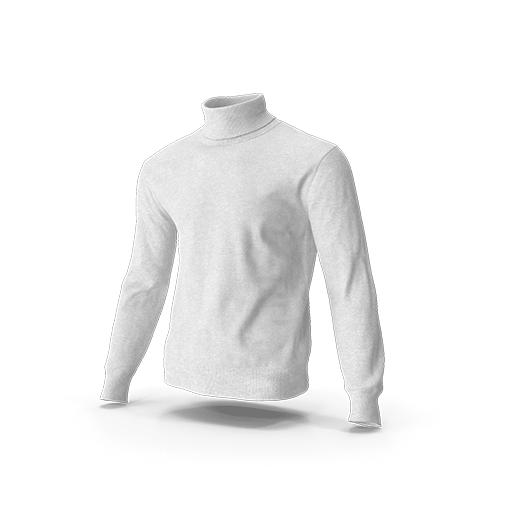
The 3D configurator allows for the creation and visualization of products in every possible variant with high-end photorealistic quality.
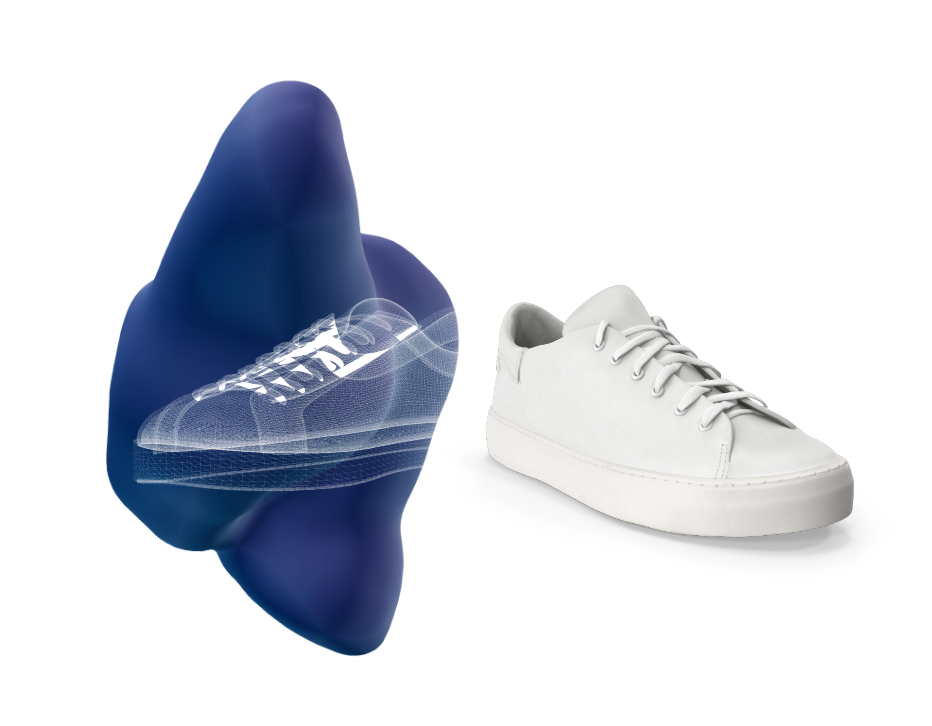
1. AI-driven Customization: Colors, Materials, Finishes, Stitching, Engraving
Users can personalize every element of the product (fabrics, leathers, colors, patterns, buttons, zippers, and details).
The platform leverages AI to:
- a) Display only producible combinations.
- b) Prevent errors (e.g., incompatible material pairings).
- c) Suggest coherent variants and styles.
- d) Accelerate the overall configuration process.
2. Real-time Photorealistic Rendering
Every modification made by the user is instantly visualized through:
> Realistic textures and fabric grains.
> Dynamic lighting environments
> High-fidelity material details
> Visual quality comparable to professional photography
3. Multi-products or Modular Configuration
The system provides the flexibility to:
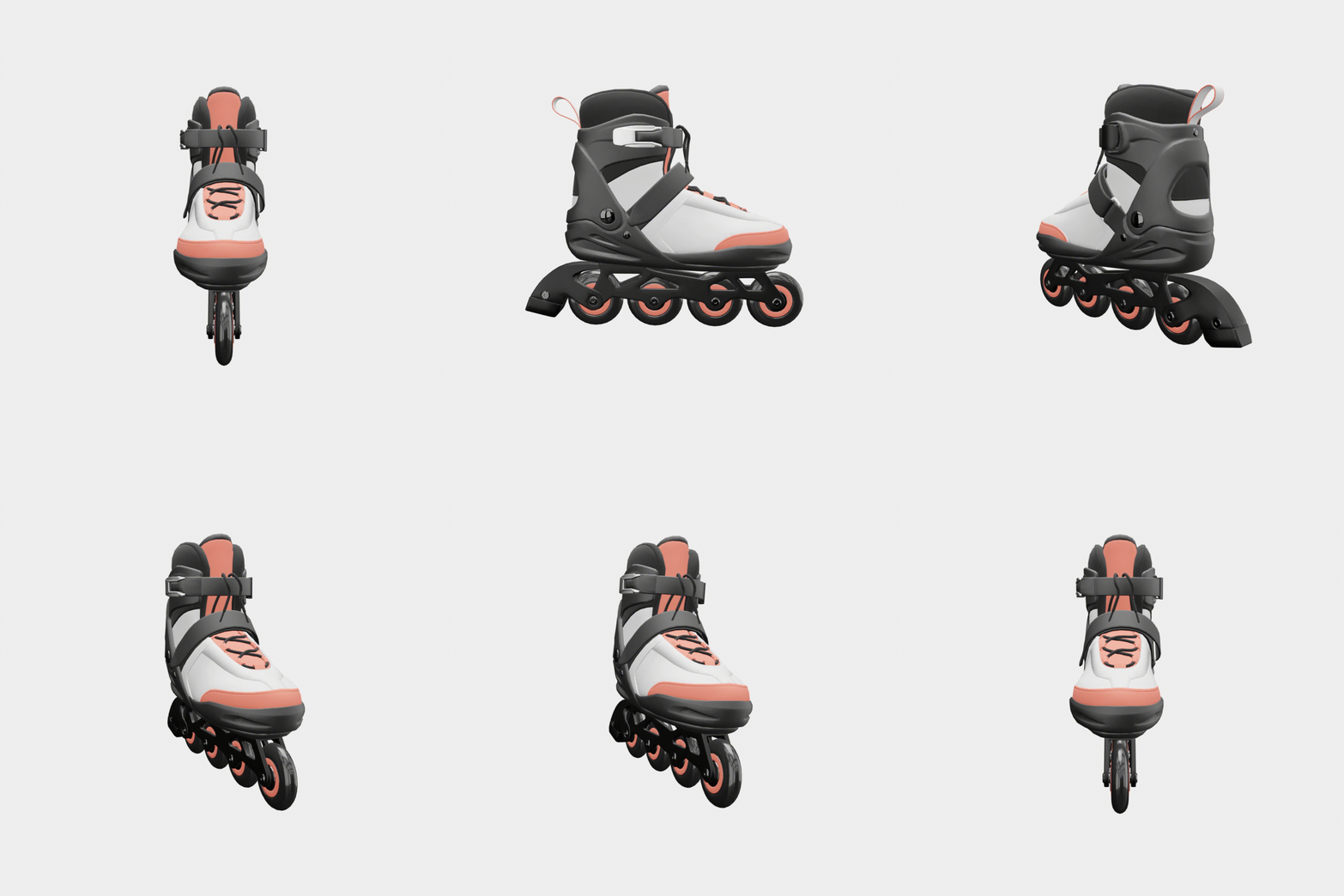
> Configure multiple items simultaneously (e.g., multi-components bags, belts, eyewear etc..).
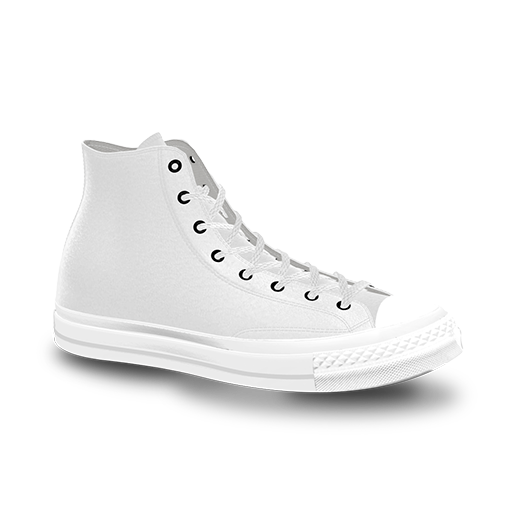
- > Configure modular products (e.g., a shoe featuring customizable soles, uppers, and laces).
- > Manage collections with shared rules across different versions or variants.
4. ERP, PLM, and Production-Ready Output
Once the product is configured, the system automatically generates:
- > Technical specifications and tech packs.
- > Production data.
- > SKU/Variant codes.
- > Supply chain information
- > Assets formatted for ERP or PLM integration.
This ensures the product can be sent directly to production with zero manual intervention.

5. How Sport Brands Use 3D Configurator & AI
The world of sport sees Direct to Consumer models establishing themselves increasingly as solid and reliable realities.
Most professional clubs offer the official configuration of name, number, and patches directly in their digital stores—as in the cases of Real Madrid or Manchester City—demonstrating how the personalized jersey is an integral part of the fan experience. The evolution of the fan economy further strengthens this dynamic. According to the Deloitte Football Money League 2024, commercial revenues represent a structural component of the revenues of top European clubs.
At the same time, programs like Nike By You show how customization applied to footwear and technical material can generate engagement and premium positioning for brands. In this renewed context, customization is no longer a simple accessory service, but an extension of the brand’s identity and the community. In this scenario, advanced configuration systems grounded on official rules allow for the rapid launch of special editions, academy kits, or event lines.
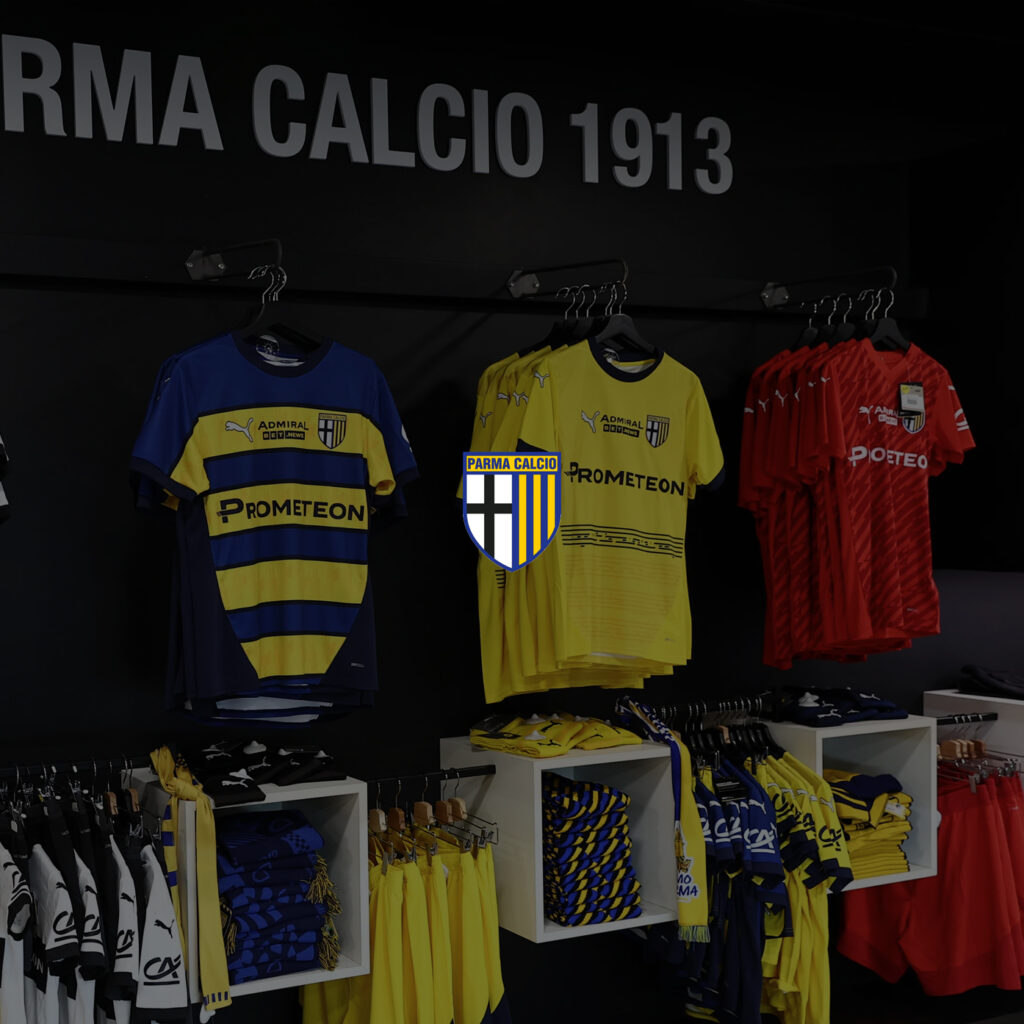
Parma Calcio & Tailoor
An innovative offer from one of the Serie A team Parma Calcio. Tailoor empower an intuitive customization journey, where you can see every detail change in real time, from adding your name and number to changing the matching of shirt and pants. Enjoy the new way of shopping sporting garments.
6. KPIs and Performance Driven by 3D Product Configuration
In the sports sector, where the margin on a customized product is generally higher than that of standard versions, 3D configuration represents a measurable and concrete competitive advantage. Thanks to metrics, we can measure the ability to transform identity and emotion into economic performance. Customization does not only affect engagement and activation, but structurally modifies funnel dynamics.
This happens particularly in moments when emotional intensity is high; in these contexts, photorealistic previews of various elements accelerate decision possibilities. 3D and AR experiences can generate conversion increases of up to +94% compared to simple static content, as reported by Shopify in relation to merchants who have integrated three-dimensional content into their stores. This impact is especially relevant in a context where the average e-commerce cart abandonment rate stands at around 69.99%, as previously mentioned, according to the Baymard Institute. Reducing user uncertainty through increasingly clear configurations means intervening directly on one of the main causes of drop-off in the funnel.
In the medium term, the effect is reflected in:
● Increase in conversions on personalized products & average order value thanks to premium names, numbers, and patches.
● Reduction of reworks and post-printing errors together with decrease in returns related to incorrect configurations.
● Greater time spent on configuration pages & growth of Customer Lifetime Value through consistent experiences
7. Why Choose Tailoor AI Visual Configuration Platform
The Sporting Goods sector is often characterized by sudden peaks in demand, which can vary upon a victory, a market transfer, or an international final. These are events that can generate very high volumes of traffic and orders in just a few hours. In this context, customization must not only work in ordinary conditions but also guarantee stability, speed, and precision even under load. Scalability is not just about technical infrastructure, but the ability to govern increasing complexity.
An AI grounded architecture like the one developed by Tailoor, based on retrieval and ranking of structured information, allows for the automatic application of official palettes, certified fonts, and positioning rules on a large scale, avoiding unauthorized combinations even during peak moments. The engine does not generate options freely, but queries a validated knowledge base, classifies relevant information, and makes available only configurations consistent with brand identity and production constraints.
The real difference between a generic configurator and an enterprise platform lies in the ability to maintain precision and control when volume grows exponentially. Every configuration generated by the user is therefore already validated and producible, with technical output compatible with printing, embroidery, or sublimation. This eliminates bottlenecks related to manual mockups, drastically reduces the risk of error, and allows Tailoor to manage thousands of simultaneous configurations while maintaining graphic consistency, technical precision, and operational stability.