
Virtual Try-On for Accessories, all you need to know
In the fashion accessories sector, the trial phase represents one of the most delicate moments of the entire purchasing process. Unlike other categories, the final decision no longer depends solely on the product's aesthetics: how it integrates with the person's face, body, proportions, and visual identity becomes fundamental. Hats, jewelry, eyewear, and wearable accessories can radically change the perception of personal style and product value.
Tailoor's Virtual Try-On introduces a new generation of AI Visual Configuration for fashion accessories and wearables — using face mapping technologies, photorealistic rendering, and product proportion simulation to let customers visualize products directly on themselves. According to Shopify, immersive and interactive experiences are becoming one of the main engagement drivers for premium fashion and lifestyle products.
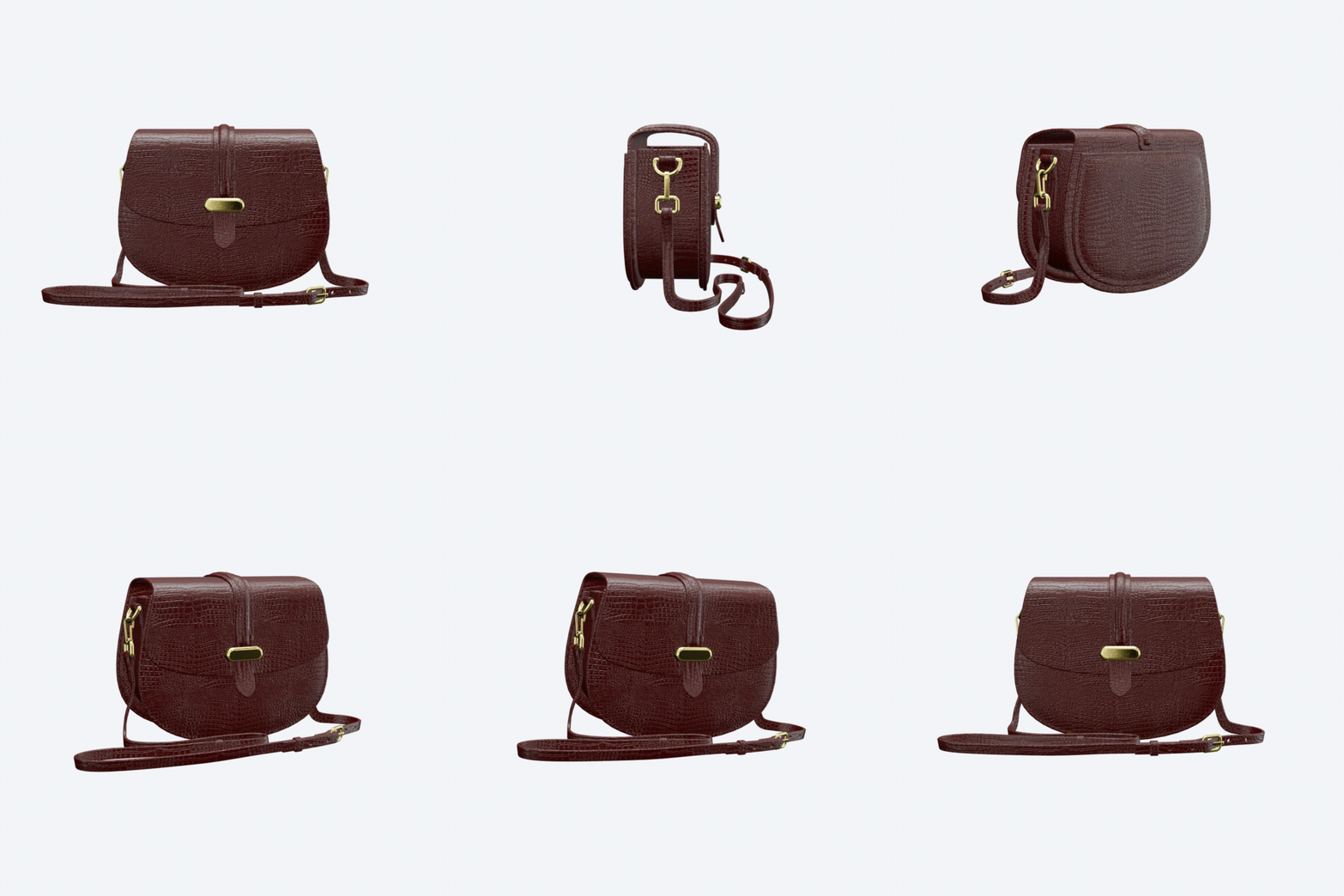
1. Why Virtual Try-On Is Transforming the Accessories Market
For years, the inability to "try on" a product represented one of the main barriers to fashion accessories e-commerce. The customer could not truly understand how a hat would sit on their head, how an eyewear frame would balance with their face shape, or how a piece of jewelry would complement their aesthetic identity. Static images and size guides were never enough.
According to Vogue Business, many fashion brands identify uncertainty regarding fitting and product appearance as one of the main causes of returns and online purchase abandonment. Deloitte's Digital Consumer Trends Report confirms that consumers show a growing expectation for immersive, interactive, and personalized digital experiences — especially in categories related to fashion, lifestyle, and premium products.
Today, digital customers want to interact with the product, try it on, compare it, and explore it in real time before purchasing. Tailoor's Virtual Try-On was created precisely to bridge this gap — through AI face mapping and photorealistic simulations that let the user visualize accessories with credible proportions and realistic details.
2. Why VTO Is Strategic for Fashion Accessories & Wearables
In the fashion accessories sector, the way a product integrates with the user's face, body, and personal style directly influences the perception of value and the final purchase decision. Hats, jewelry, eyewear, and wearable accessories are not evaluated solely for design — they must harmonize with the person's aesthetic identity.
This dynamic makes the sector particularly sensitive to the quality of the digital experience: an inaccurate representation can compromise the perception of the product, generating hesitations that slow down or block the purchase. Generic virtual trial tools are often insufficient — they cannot provide credible proportions, fail to enhance materials and details, and do not offer an experience consistent with the premium positioning of brands.
The problem with generic tools
- Simply "overlay" a product image without proportion simulation
- Cannot render premium materials — leather, metal, fabric textures
- Ignore face shape, skin tone, and personal style harmony
- Disconnect from brand positioning and visual identity
Tailoor's AI-first approach
- AI face mapping with product proportion simulation
- Photorealistic rendering of materials, reflections, and finishes
- Live configuration of colors, materials, and product details
- Experience designed for realism, engagement, and brand premium
3. How VTO Improves Conversions, Trust, and Customer Experience
Virtual Try-On concretely modifies user behavior during the purchase journey. When the customer can visualize a product on their own face or body with a credible level of realism, the gap between physical and digital experience is drastically reduced. The user perceives greater control, more clarity, and a better understanding of the final product.
According to Grand View Research, the growth of immersive AR and AI experiences is driven by the demand for more realistic, interactive, and personalized shopping — especially in premium categories where fitting and personal image strongly influence conversion.
6 Measurable Benefits
- Increased Conversions: Virtual trial drives +20–35% conversion increase in wearable categories
- Return Reduction: Greater purchase security significantly reduces fit-related returns
- Premium Enhancement: Materials, shapes, and finishes perceived more realistically — increasing perceived value
- Engagement: Increased interaction time with the product and more memorable customer journey
- Purchase Confidence: 74% of users feel more confident after a 3D visualization
- Hesitation Reduction: Real-time fitting eliminates the main barrier of accessories e-commerce
4. The Technological Architecture of Tailoor Virtual Try-On
Tailoor combines AI face mapping, photorealistic rendering, and 3D configuration in an ecosystem designed for fashion accessories and premium wearable products. The platform analyzes the user's face and proportions through intelligent algorithms that simulate accessory behavior with advanced precision.
Unlike generic tools, the system does not limit itself to "placing" a product on the user's image — it works to return a credible fitting consistent with the object's real behavior. This allows brands to offer a more natural experience, reducing the artificial effect that often characterizes standard virtual trials.
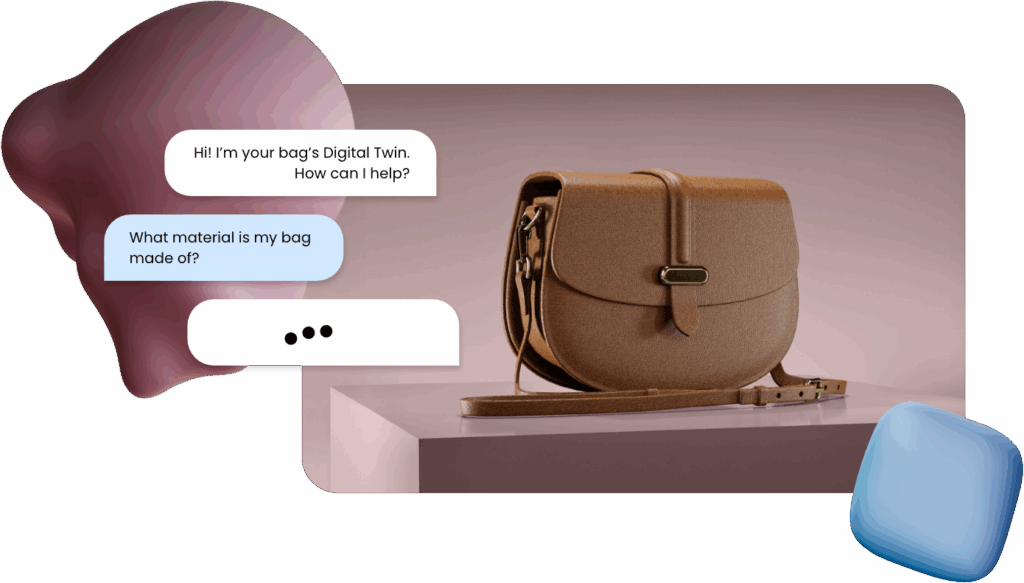
The integration with the 3D configurator also allows for real-time modification of materials, finishes, colors, and product details — creating a highly customizable customer journey. According to the PwC Global Consumer Insights Survey, consumers increasingly expect immersive digital experiences integrated between online and physical retail.
5. How Brands Are Using VTO in Accessories
Virtual Try-On is becoming an increasingly strategic component for fashion and accessories brands that want to reduce online purchase uncertainty and build more immersive experiences.
Specsavers Virtual Try-On
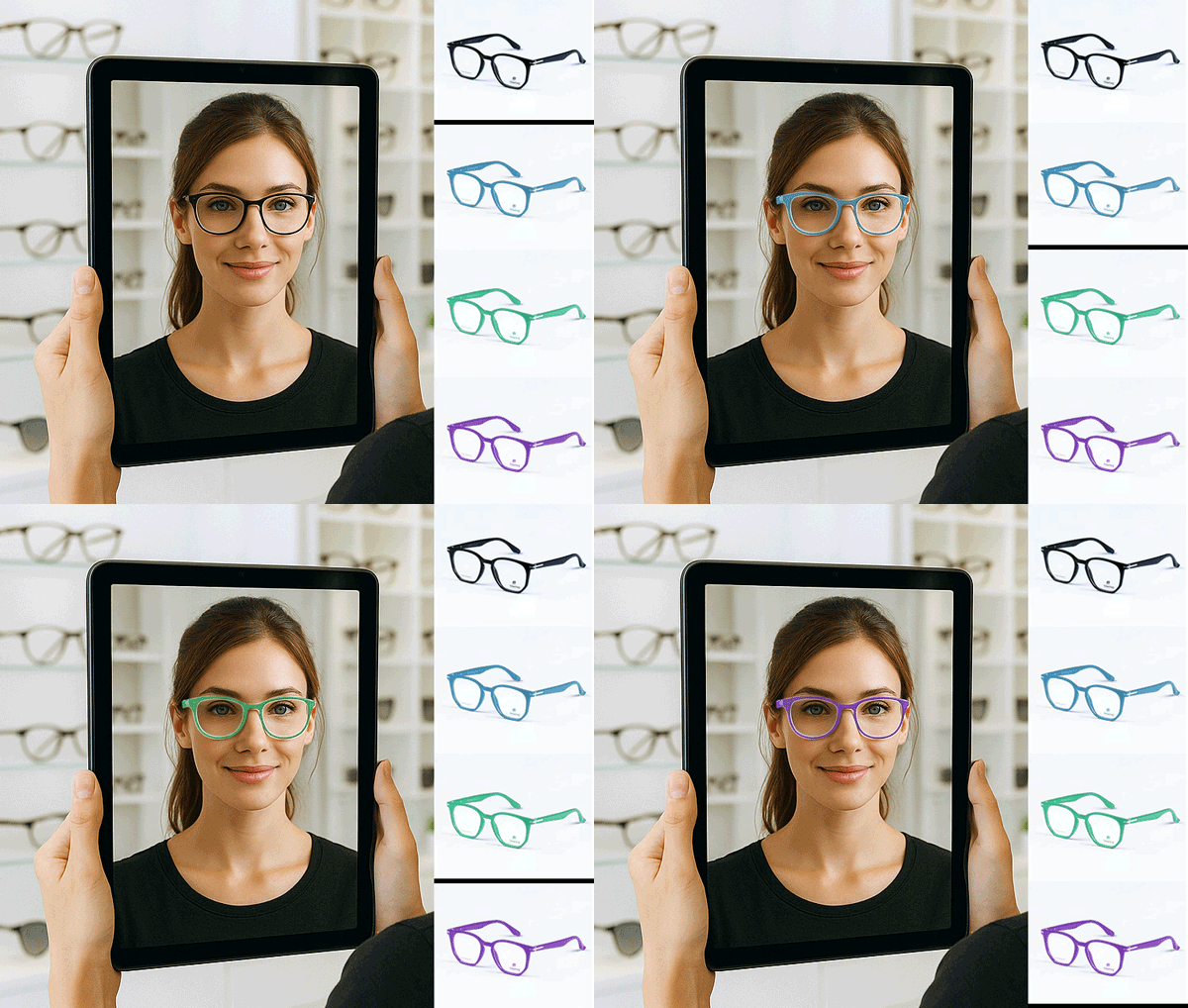
Specsavers Virtual Try-On allows users to simulate eyewear fitting directly online before purchasing — making frame shape, color, and proportion evaluation part of the standard purchase journey for millions of customers.
Prada, Farfetch & Piaget with AR
According to Vogue Business, brands and retailers such as Prada, Farfetch, and Piaget are investing significantly in immersive AR and Virtual Try-On experiences to improve customer experience, engagement, and omnichannel commerce — signalling that VTO is no longer experimental but strategic.
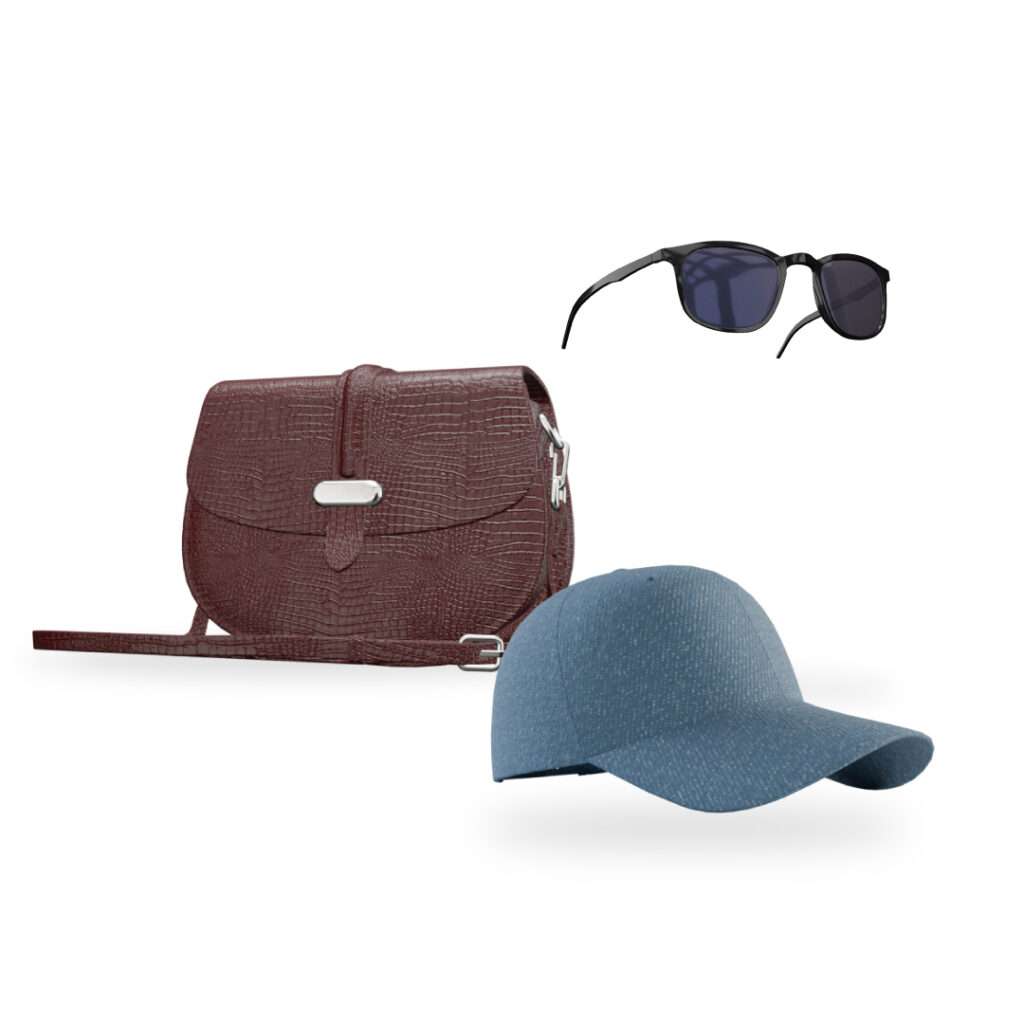
Main use cases for accessories brands
› Premium brands wanting to reduce returns and increase conversions in wearable categories
› Eyewear brands enabling frame try-on by face shape and style
› Jewelry and watch brands visualizing pieces in scale and context
› Omnichannel retail with virtual trial online and in-store simultaneously
› Combined configuration of materials, colors, and finishes during the try-on
› Integrated customer journeys between e-commerce and boutique appointment
6. VTO vs. Traditional Accessories E-Commerce: A Comparison
| Feature | Static images | Generic VTO | Tailoor AI VTO |
|---|---|---|---|
| Face/body proportion simulation | ✗ | Partial | ✓ |
| Photorealistic material rendering | ✗ | ✗ | ✓ |
| Live color/material configuration | ✗ | ✗ | ✓ |
| Premium brand experience quality | ✗ | ✗ | ✓ |
| Omnichannel (online + in-store) | ✗ | Partial | ✓ |
| Integration with 3D configurator | ✗ | ✗ | ✓ |
| Enterprise scalability | ✓ | Partial | ✓ |
7. Industry KPIs — Why Virtual Try-On Works
Virtual Try-On technologies are transforming the way customers discover, evaluate, and purchase fashion accessories online. When the product is visualized directly on the user, the perception changes radically: the customer feels more involved, more secure, and closer to the final purchase.
According to a study by ScienceDirect, Virtual Try-On and digital fitting technologies are becoming increasingly central tools for improving customer experience, engagement, and trust in online purchasing in fashion and wearable product categories. McKinsey confirms that 71% of consumers expect personalized experiences from brands, while 76% feel frustrated when these expectations are not met.
8. Why Choose Tailoor for Virtual Try-On in Accessories
In the landscape of Virtual Try-On platforms, Tailoor stands out for an approach designed specifically for fashion accessories and premium wearable products. The combination of AI face mapping, photorealistic rendering, and 3D configuration allows for a more realistic, precise experience consistent with the value of high-end brands.
The platform does not just replicate a physical trial — it evolves it into a smarter and more immersive digital experience, capable of connecting e-commerce, retail, and personalization in a single omnichannel ecosystem.
Tailoor transforms Virtual Try-On from a simple technical functionality into a strategic lever for conversion, engagement, and brand experience — in a market where customer experience and personalization are becoming the decisive competitive advantage.