
Visual Commerce for Luxury Brands: From Gaze to Experience
To understand why visual commerce has become so crucial for luxury, we must look at the broader context — which, for the first time in more than a decade, shows structural signs of slowdown. The Bain & Company – Altagamma Luxury Study 2024 reports that the personal luxury goods market reached €364 billion, but 2025 will see an estimated contraction of –2% to –5% — "the first real decline in more than fifteen years, excluding the pandemic."
McKinsey's State of Fashion: Luxury Edition is clear: "price increases drove 80% of growth between 2019 and 2023, but this lever has reached its limit." BCG adds: "For the first time in a decade, growth can no longer be taken for granted."
In this scenario, Tailoor introduces a new generation of AI Visual Configuration and immersive commerce for Luxury brands — transforming observation into co-creation, and the product into an experience to live before it is purchased.
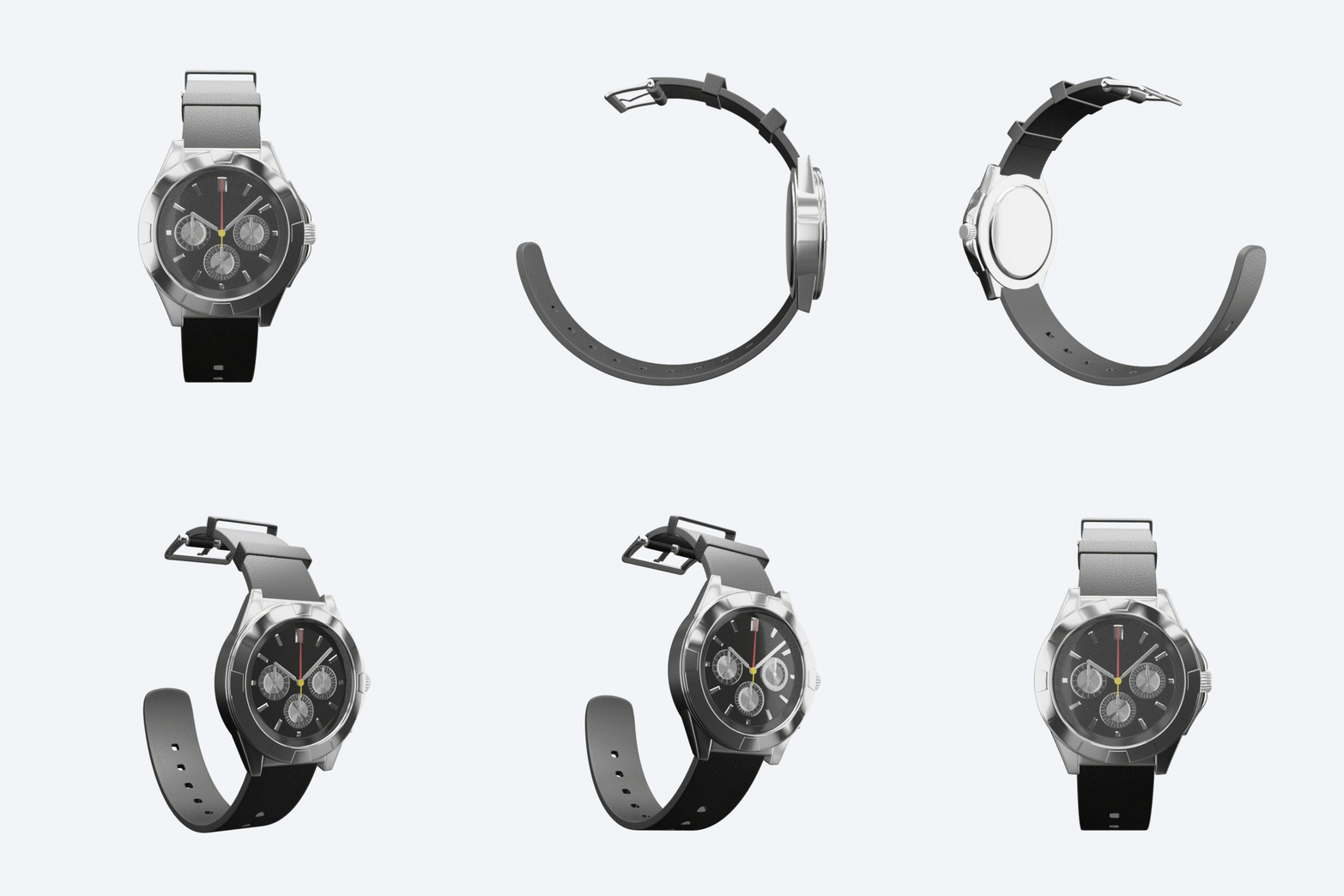
1. A Sector Under Pressure: Why Visual Commerce Is the Answer
Market signals to watch
Price increases as a growth lever are exhausted. Aspirational demand is weakening. Under-35 luxury consumers prioritize personalized experiences over traditional status symbols. The brands that will grow are those that offer a richer, more participatory digital experience.
In a market where brand power has traditionally led the way, today the real difference is no longer what the customer sees — but how they can interact with what they see. High-end consumers are more selective, informed, demanding. They want to explore, touch (even virtually), experiment, personalize. They want to feel part of the process, not merely the final recipients.
Immersive content, augmented reality, and virtual try-on have become tools capable of shifting real numbers — increasing conversion rates by 30% to 80% compared to traditional static content.
Luxury has never truly been a product market — it has always been a market of meanings, rituals, unique experiences. The difference today is that the place where those rituals unfold has shifted: from the boutique to the screen, and back again — in a continuous phygital flow.
2. When the Image Becomes Action: The New Luxury Paradigm
Tailoor introduces a fertile fracture in the luxury paradigm. The platform transforms exclusivity into participation: the user does not simply look at the product — they build it. No longer a catalogue of finished products to browse — instead, an experiential design environment where the customer begins from a desire and shapes it through a guided process.
3. Tailoor's Platform: The Experiential Design Environment
Tailoor is not positioned as a simple visual platform — it is a true experiential design environment. Through 3D configurators, augmented reality, digital twins, and AI tools, it makes personalization immediate and natural. You don't start from a catalogue — you start from an idea.
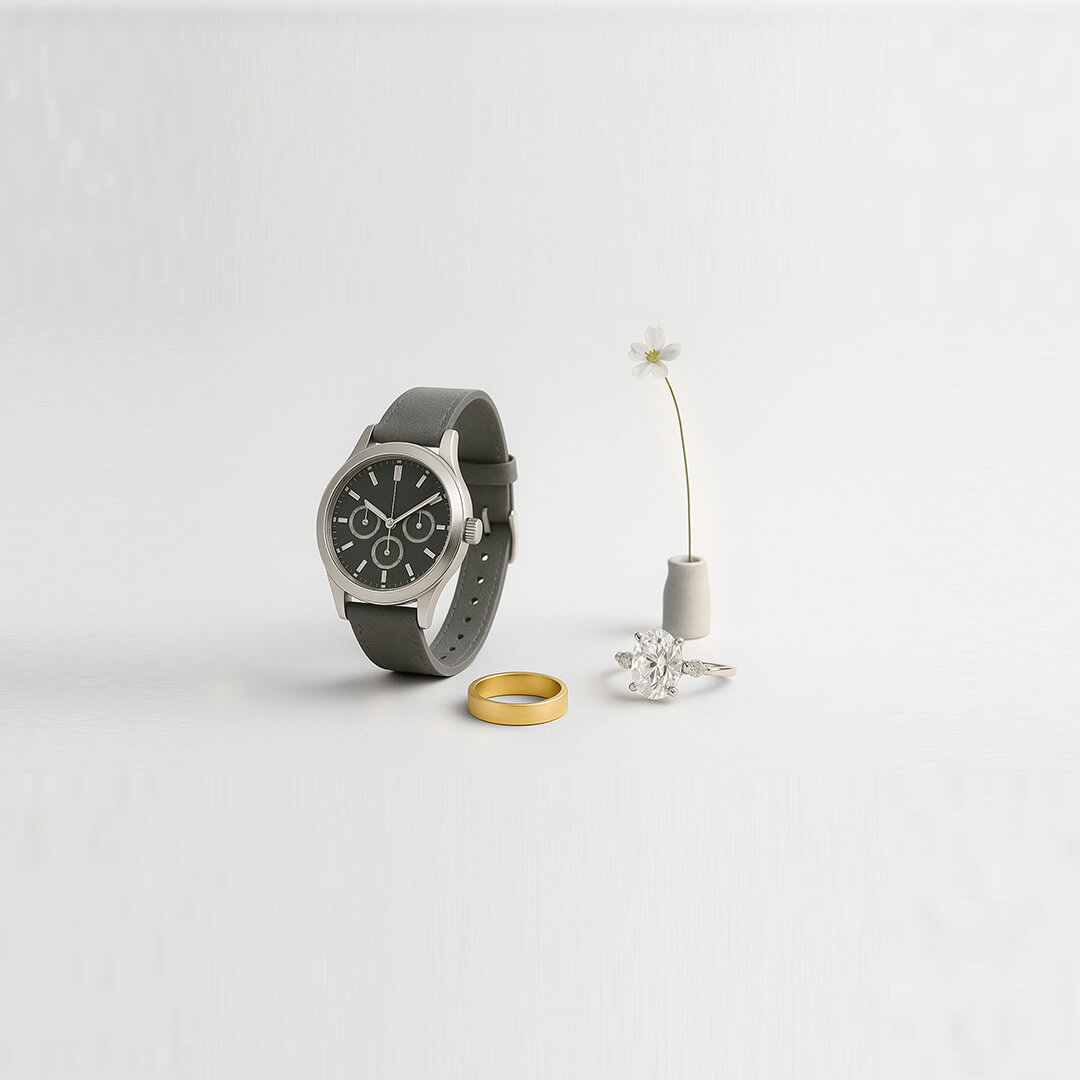
Platform capabilities for luxury
› 3D Configurator with photorealistic rendering of metals, stones, leathers, and finishes
› Augmented Reality for spatial and try-on product visualization
› Digital Twin of the Customer for persistent, intelligent personalization
› AI Sales Assistant for guided configuration in boutique and online
› CRM & Business Intelligence dashboard — configuration data as business insight
› Made-to-Order integration eliminating waste and overstock
4. Use Cases: From Atelier to Digital Boutique
Data-Driven Capsule Collections
Every configuration generates structured data on real user preferences — the most selected materials, frequently requested finishes, recurring patterns. This becomes operational intelligence for product and merchandising teams.
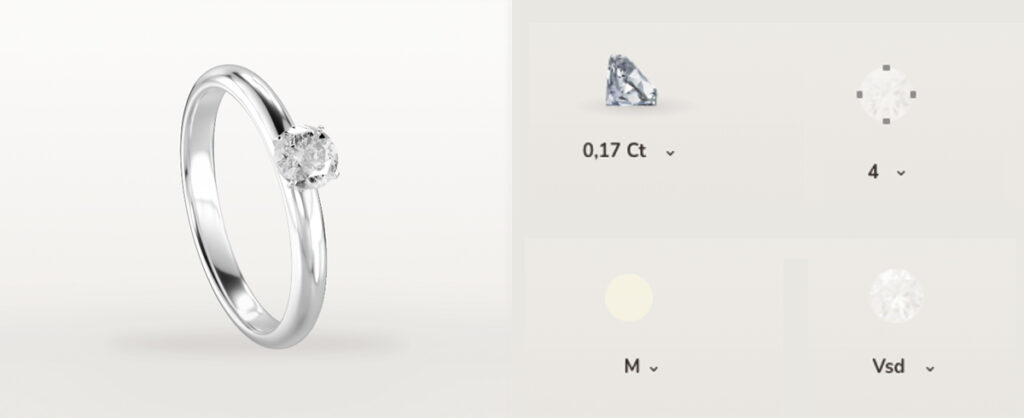
Premium Customization: The Atelier Reinvented
Luxury brands and ateliers can present complex variants with photorealistic rendering that reinforces value perception — guiding customers from online exploration to in-store appointment with a shared, informed creative vision.
Phygital Boutique (Omnichannel)
A shared touchpoint where a customer starts a design at home and completes it with an in-store advisor. Digital can no longer be an extension of the boutique — it must become its core.
5. KPIs: Visual Commerce Impact on Luxury Performance
Why luxury brands choose Tailoor
- Photorealistic macro-rendering: Premium materials and finishes rendered with professional quality
- AI Configurator: Complex rules for jewelry, leather goods, and accessories built in
- Enterprise scalability: Across collections, seasons, and international markets
- Phygital integration: Boutique and digital seamlessly connected
- Data intelligence: Configuration choices become assortment and design insights
Frequently Asked Questions
Moving from image to experience, from "looking" to creating — with Tailoor, luxury brands no longer sell an object but the possibility of recognizing oneself in what they choose.